



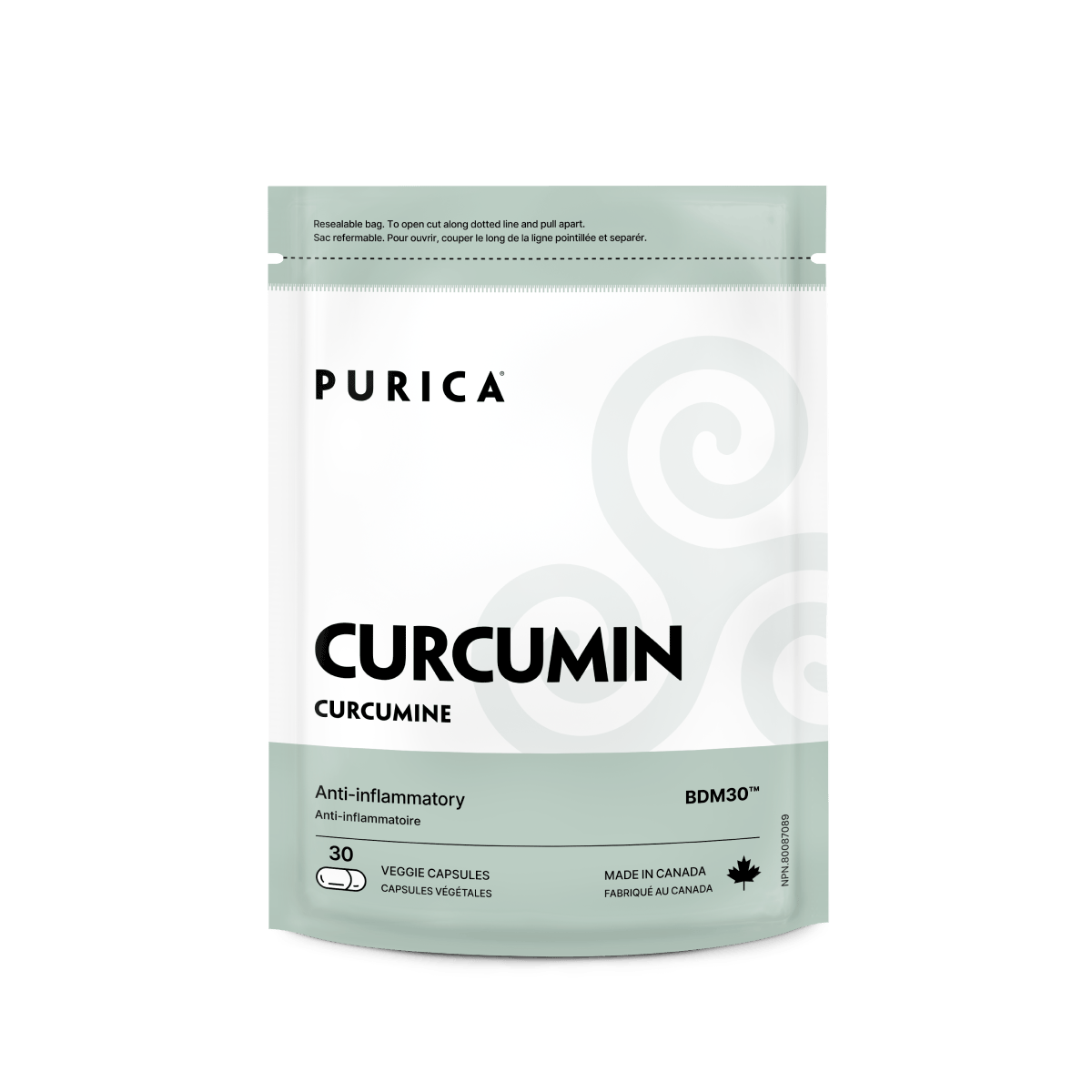
PURICA Curcumin · Made in Canada.

Powered by BDM30™
The Power of Curcumin 3.
Keep doing what brings you joy, with support for comfortable movement every day.
Turmeric contains three curcuminoids. PURICA Curcumin brings all three together and concentrates the third—bisdemethoxycurcumin, or curcumin 3—to 30% of its curcuminoid blend. Powered by BDM30™, it combines targeted anti-inflammatory activity with antioxidant protection in one capsule a day.
Who it's for
For the Life You Love.
01
Everyday comfort
Enjoy the everyday
For the walkers, gardeners and hands-on makers who want support for comfortable movement in their knees, hips and hands.
02
Active recovery
Ready for what’s next
For active people supporting joint comfort between workouts, weekend adventures and the movement that keeps them feeling good.
03
Lifelong mobility
Stay in motion
For adults making joint health a daily habit, with antioxidant support to help protect cells and maintain wellbeing over time.
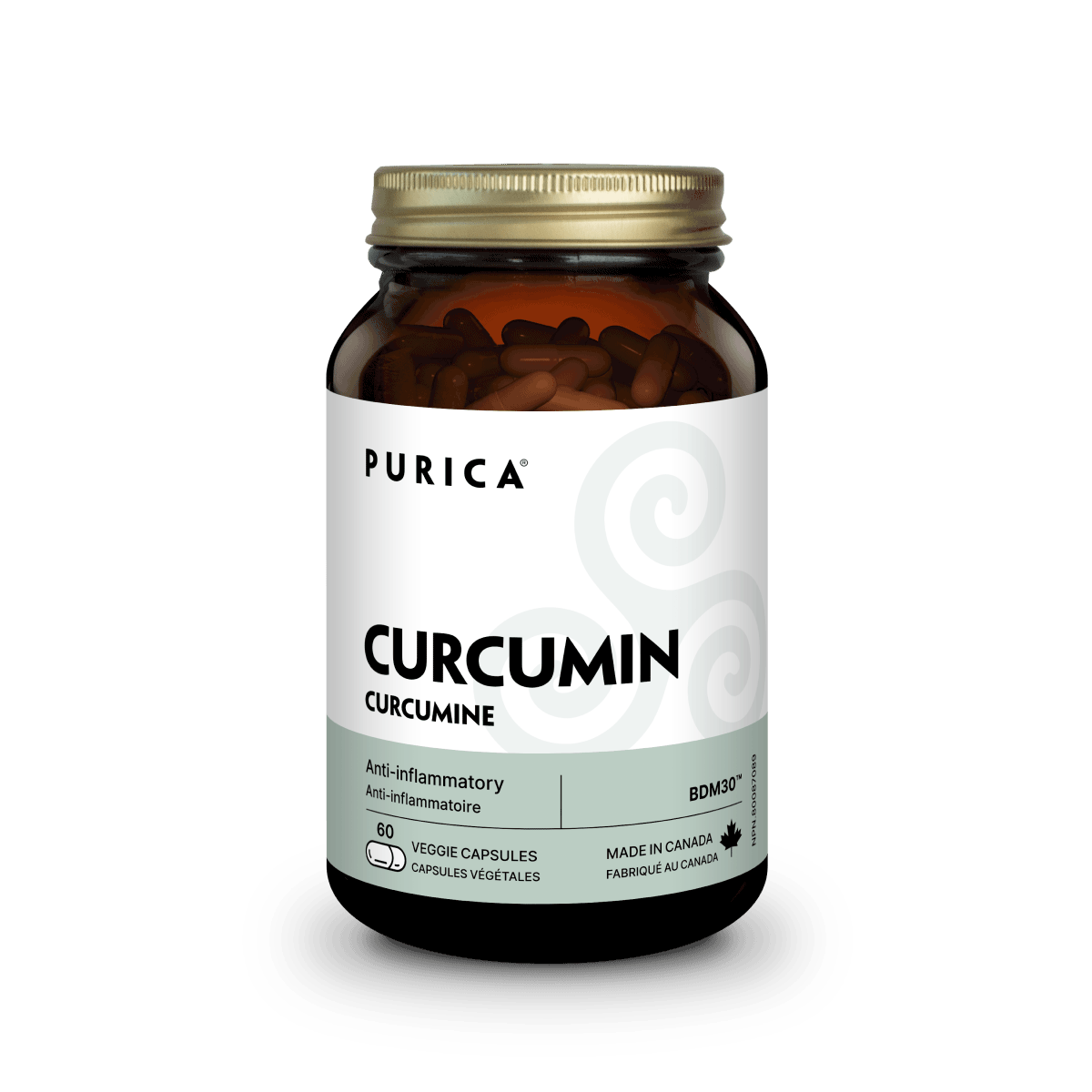
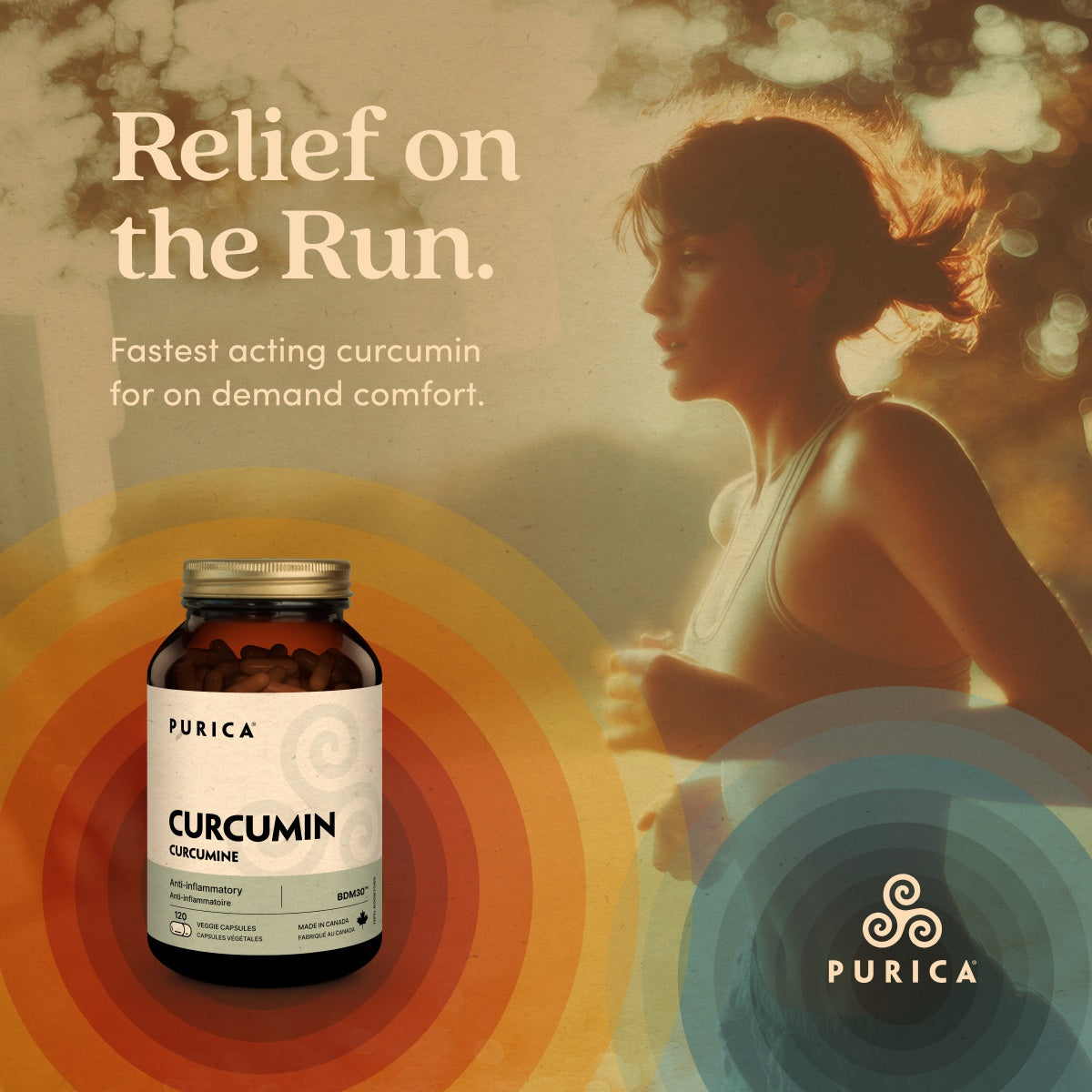
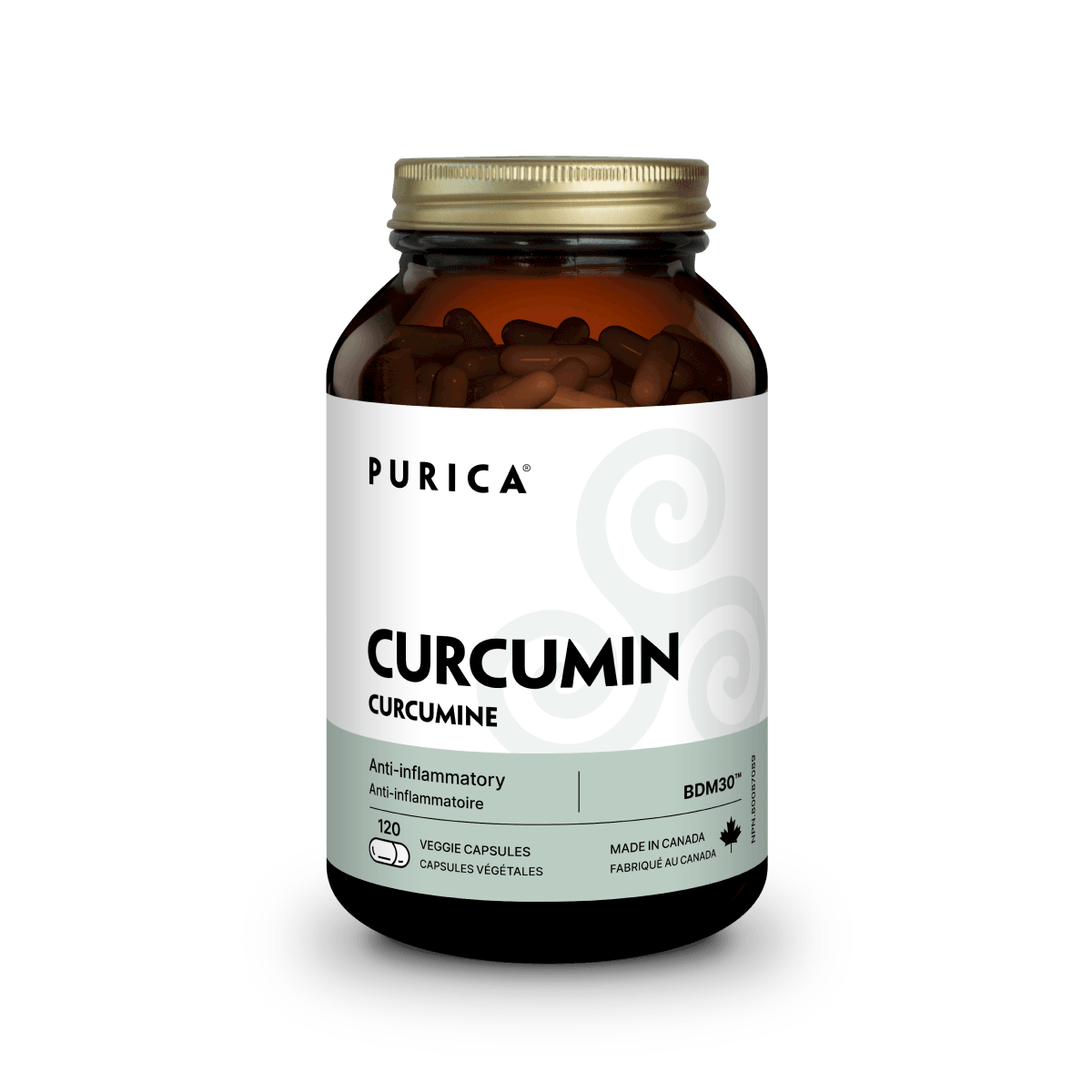
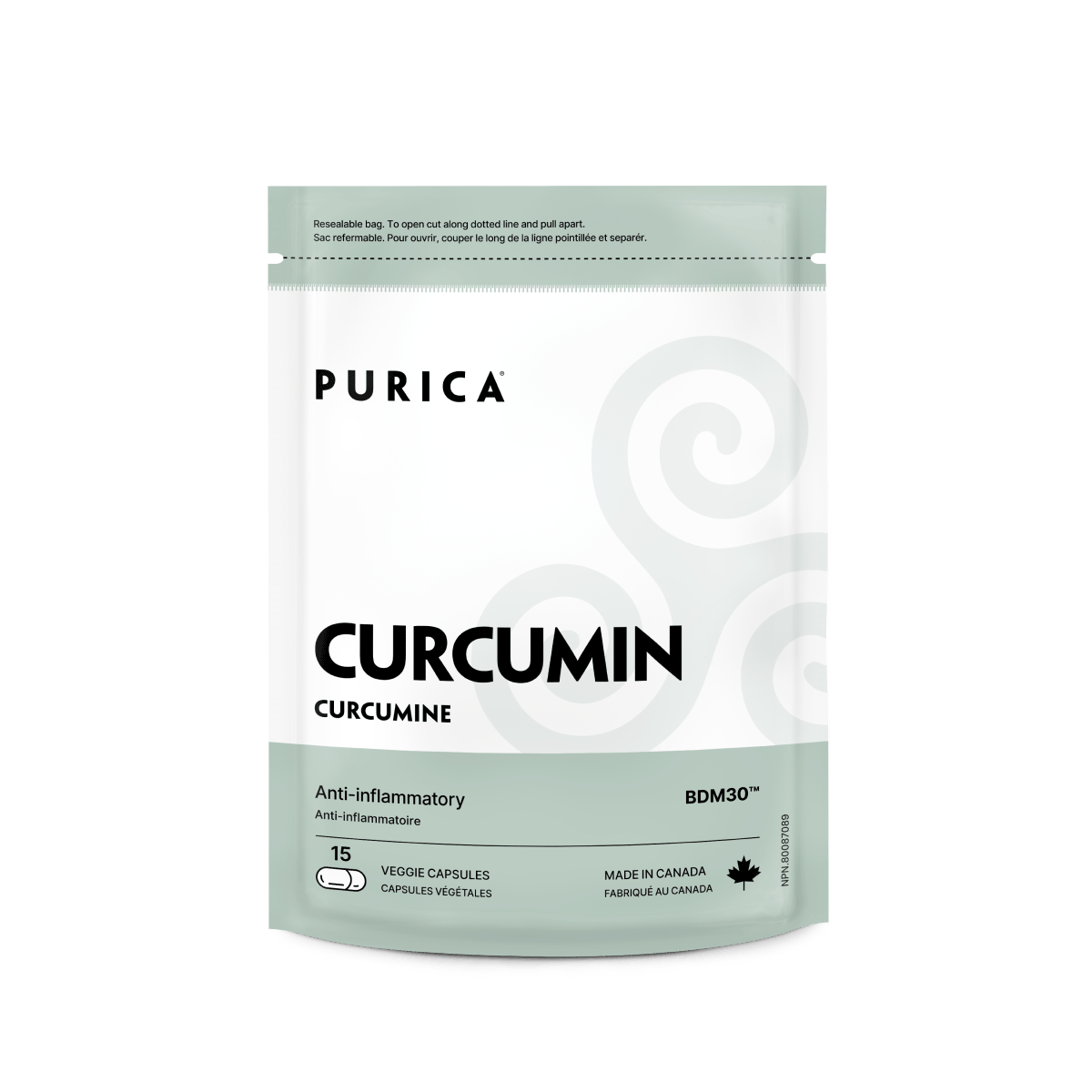
Curcumin
Shut down joint pain and target inflammation fast. While standard curcumin offers minimal BDMC, PURICA Curcumin BDMC 30 delivers a high-potency 30% concentration to neutralize destructive inflammatory pathways. Engineered for rapid absorption, it soothes aching joints and speeds post-activity recovery. Stop settling for slow-working relief—order Curcumin BDMC 30 today and feel the difference.
Benefits
Size:60 caps
Pickup available at 6157 Scott Rd
Usually ready in 2 hours
Curcumin
60 caps
6157 Scott Rd
Pickup available, usually ready in 2 hours
6157 Scott Rd
Duncan BC V9L 6Y8
Canada
Medicinal ingredients (each capsule contains)
| Curcuma longa 97.0 % curcuminoids (curcumin, demethoxycurcumin, bisdemethoxycurcumin) | 267.2 mg |
| Curcuminoids 97 % (bisdemethoxycurcumin) | 110.0 mg |
Recommended use or purpose:
Provides antioxidants for the maintenance of good health. Used in herbal medicine to help relieve joint inflammation.
Recommended dose:
Adults: take 1 capsule daily or as recommended by a healthcare practitioner.
Non-medicinal ingredients:
Hypromellose, magnesium stearate (plant-source), silicon dioxide, water (Vegetarian capsule)
Cautions and warnings:
Consult a health care practitioner prior to use if you are pregnant or breastfeeding, if taking antiplatelet medication or blood thinners; if suffering from bile duct obstruction such as gallstones; if you have stomach ulcers or excess stomach acid; or if symptoms persist or worsen. Do not use if seal on cap is broken or missing.
- Helps relieve joint inflammation and pain.
- Provides antioxidants to help protect cells from free radical damage.
- Supports comfortable movement as part of an active lifestyle.
Turmeric has a long history in traditional herbal medicine. Modern research has identified three curcuminoids within it, each contributing to its activity. PURICA Curcumin builds on that tradition with BDM30™, a blend concentrated to 30% curcumin 3 for targeted anti-inflammatory activity and antioxidant support.

How it works
Working at the Source.
Curcumin 3 combines targeted anti-inflammatory activity with antioxidant protection for cells and tissues.
01
Anti-inflammatory action
Calm the signals
Curcumin 3 acts on MSK1, an enzyme that helps activate NF-κB—a key regulator of inflammatory signals. Working at this earlier stage helps regulate the response at its source.
02
Why curcumin 3
Curcumin 3 at work
In cell research, curcumin 3 increased miR-148a, a microRNA that regulates gene activity. This was linked to lower MSK1 levels and reduced NF-κB activity.
03
Thoughtfully formulated
Concentrated to stay active
BDM30™ concentrates curcumin 3 for its stability and availability to the body. This naturally resilient curcuminoid supports a formula designed to stay active longer, without black pepper extract or liposomal carriers.
BDM technology: US patent 9782364.
The antioxidant advantage
Antioxidant Power, Measured.
Antioxidants help protect cells and tissues from free radical damage, complementing curcumin 3’s targeted anti-inflammatory action.
- BDM50™ 939,076
- BDM30™ 565,246
- Astaxanthin 8,466
- Standardized curcumin 95% 4,500
- Turmeric spice 381
- Acai powder 308
- Blueberries 14
BDM30™ antioxidant comparison
≈67×the ORAC value of
astaxanthin
≈126×the ORAC value of
standardized curcumin 95%
ORAC (Oxygen Radical Absorbance Capacity) measures antioxidant capacity in a laboratory. All comparisons are per 300 mg. Multiples are rounded to the nearest whole number.

What people notice.
PURICA Curcumin
Stay in Your Element.
From the garden to the trail, bring comfortable movement into the things you love.